• Choosing the Right Form: Initiating a Background Investigation

    Background investigations play a crucial role in various aspects of our lives, from employment and security clearances to loans and housing applications. These investigations are often requested using specific forms that facilitate the process and ensure compliance with relevant regulations. Two significant forms are widely used: the SF-86 and FCRA-compliant consent forms. In this article, we will delve into the details of these forms, their purposes, and how to correctly fill them out.

    Photo: macrovector on freepik.com

    1. SF-86: The Standard Form for Background Investigations

    The Standard Form 86 (SF-86) is a critical document used by the United States government to request background investigations for individuals seeking security clearances or positions of trust. It serves as the foundation for conducting a thorough evaluation of an individual’s background, including their personal, financial, and professional history. The SF-86 plays a vital role in national security and ensures that individuals with access to classified information are reliable and trustworthy.

    1.1 Purpose of SF-86

    The primary purpose of the SF-86 is to gather detailed information about an individual’s background. This information is used to evaluate an applicant’s suitability for a security clearance or other positions of trust within the government. Government agencies use the SF-86 to assess the individual’s loyalty, character, trustworthiness, and reliability.

    SF-86 requests an array of information, including but not limited to:

    1. Personal Identifying Information: This section collects the applicant’s basic information, such as name, date of birth, Social Security number, and contact details.

    2. Citizenship and Nationality: It gathers information about the applicant’s citizenship and any dual citizenship, as well as foreign contacts or interests.

    3. Residence and Employment History: The form requires a comprehensive list of past and present residences and employment, along with references who can verify the applicant’s information.

    4. Financial History: Applicants must disclose their financial situation, including debts, assets, bankruptcies, and any unusual financial circumstances.

    5. Legal and Police Records: The SF-86 seeks information about an applicant’s criminal history, arrests, and any involvement with law enforcement agencies.

    6. Drug and Alcohol Use: It asks about an applicant’s history of drug and alcohol use, including any treatment or counseling.

    7. References: The form includes sections for character references, employment references, and other individuals who can provide insight into the applicant’s background.

    8. Foreign Contacts and Activities: If applicable, the applicant must disclose foreign contacts and any involvement in foreign organizations or activities.

    1.2 Filling out the SF-86

    Filling out the SF-86 is a meticulous process. It requires a high level of attention to detail to ensure the accuracy and completeness of the information provided. Any omissions or inaccuracies can lead to delays in the background investigation process or even disqualification.

    Here are some essential tips for correctly filling out the SF-86:

    1. Review the instructions: Before filling out the SF-86, carefully read the accompanying instructions to understand the requirements and ensure you have all the necessary documentation.

    2. Gather supporting documents: Collect all the documentation needed to verify the information you will provide, such as birth certificates, passports, financial records, and contact information for references.

    3. Use accurate and complete information: Provide truthful and complete information for every section of the SF-86. Omissions, inaccuracies, or inconsistencies can raise red flags during the investigation.

    4. Consult with references: Reach out to your references in advance and inform them that they may be contacted as part of the background investigation. Ensure they are willing to vouch for your character and reliability.

    5. Seek legal advice if needed: If you have a complex legal history or specific concerns about your application, consider consulting with legal counsel or a security clearance attorney for guidance.

    6. Be prepared for an interview: Be ready for an in-person or phone interview with an investigator to clarify or expand on the information you provided in the SF-86.

    2. FCRA-Compliant Consent Forms

    In addition to the SF-86, there are other situations where background investigations are necessary, such as pre-employment checks, rental applications, or loan approvals. In these cases, a different type of form is used, known as an FCRA-compliant consent form. FCRA stands for the Fair Credit Reporting Act, a federal law that governs the collection and use of consumer credit information.

    2.1 Purpose of FCRA-Compliant Consent Forms

    FCRA-compliant consent forms are used when a third party, such as an employer or landlord, needs to obtain a background check on an individual. The purpose of these forms is to obtain the individual’s permission to conduct the background check while ensuring compliance with the FCRA. The FCRA outlines specific requirements for the collection and use of consumer credit information and background checks.

    When an individual signs an FCRA-compliant consent form, they are granting permission for the requesting party to obtain their consumer credit report or conduct a background check. This form helps protect the individual’s rights and privacy by ensuring that their consent is obtained before any investigation takes place.

    2.2 Elements of an FCRA-Compliant Consent Form

    An FCRA-compliant consent form typically includes the following elements:

    1. Consent statement: The form must clearly state that the individual is granting permission for a background check or credit report to be obtained.

    2. Disclosure of the purpose: The form should specify the purpose of the background check, whether it is for employment, rental, or another purpose.

    3. Contact information: The form should provide contact information for the requesting party or their designated representative, such as a background screening agency.

    4. Rights under the FCRA: Individuals should be informed of their rights under the Fair Credit Reporting Act, including the right to request a copy of their report and dispute any inaccuracies.

    5. Signature: The individual must sign and date the consent form to indicate their agreement.

    2.3 Filling out an FCRA-Compliant Consent Form

    When asked to complete an FCRA-compliant consent form, it’s important to understand the purpose and implications of granting permission for a background check. Here are the steps to correctly fill out such a form:

    1. Carefully read the form: Take the time to read and understand the form’s content, including the purpose of the background check and the rights outlined under the FCRA.

    2. Provide accurate information: Fill in your personal information, such as name, date of birth, and contact details, accurately to ensure that the background check is conducted on the correct individual.

    3. Sign and date the form: Your signature and date on the form indicate your consent. Make sure to do this only after reading and understanding the contents.

    4. Keep a copy: Before submitting the form, make a copy for your records. This can be useful in case you need to dispute any inaccuracies in the future.

    3. Key Differences Between SF-86 and FCRA-Compliant Consent Forms

    While both SF-86 and FCRA-compliant consent forms are used to initiate background investigations, they serve distinct purposes and differ in several key ways.

    3.1 Purpose and Usage

    The SF-86 is primarily used by government agencies to conduct background investigations for individuals seeking security clearances or positions of trust. It focuses on evaluating an individual’s loyalty, character, trustworthiness, and reliability. In contrast, FCRA-compliant consent forms are used in various non-governmental contexts, such as employment screening, rental applications,

    and loan approvals, to obtain an individual’s permission for a background check that often includes a credit report.

    3.2 Legal Framework

    The SF-86 is a government-mandated form that falls under federal regulations governing security clearances. It is not subject to the FCRA, as its purpose is different from the FCRA-compliant consent forms.

    FCRA-compliant consent forms, on the other hand, are required by the Fair Credit Reporting Act. This federal law governs the collection and use of consumer credit information and background checks, primarily in non-governmental settings.

    3.3 Information Gathered

    The SF-86 is an extensive and highly detailed form that collects information on an individual’s personal, financial, and professional history. It delves into aspects such as foreign contacts, criminal history, and drug use, which are particularly relevant for national security evaluations.

    FCRA-compliant consent forms are typically more streamlined, focusing on obtaining permission for credit checks, criminal background checks, and reference verifications. The information gathered is typically related to an individual’s creditworthiness or suitability for a particular position or tenancy.

    3.4 Who Requires Them

    The SF-86 is required by government agencies, particularly those responsible for national security and classified information, when individuals apply for security clearances or positions of trust within the government. It is not used by private sector employers or landlords.

    FCRA-compliant consent forms are used by private sector entities, such as employers, landlords, and financial institutions, to request background checks on individuals applying for jobs, rental properties, or loans.

    Conclusion

    Background investigations are essential in various contexts, whether they involve evaluating an individual’s eligibility for a security clearance or assessing their suitability for employment or housing. The SF-86 and FCRA-compliant consent forms are critical tools in this process, each serving a unique purpose and falling under different legal frameworks.

    Understanding the distinctions between these forms is vital to ensuring compliance and facilitating a smooth background investigation process. Whether you are applying for a government position requiring a security clearance or seeking employment or housing in the private sector, knowing how to correctly fill out these forms is crucial to your success in these endeavors.
  • Secure Methods for Transmitting Confidential Materials to DoD Agencies

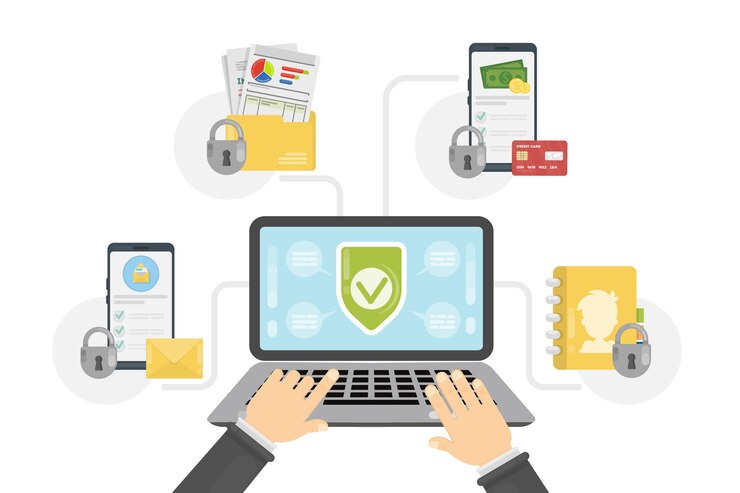
    In an era of ever-evolving digital technologies and the increasing importance of secure information exchange, the transmission of confidential materials to Department of Defense (DoD) agencies requires meticulous attention to security and compliance. DoD agencies handle sensitive information vital to national security, making the safeguarding of such materials paramount. Whether you are a government employee, a contractor, or a partner collaborating with the DoD, ensuring that you transmit confidential materials securely is of the utmost importance.

    Photo: vector4stock on freepik.com

    This article aims to explore various methods that may be used to transmit confidential materials to DoD agencies, emphasizing the importance of adhering to established protocols and guidelines. It will provide an overview of the methods, as well as their associated advantages and considerations. Our information is based on reliable sources such as the U.S. National Archives and an expert-verified answer from Brainly.com.

    1. Classified Mail and Government Courier Service

    One of the most traditional and widely accepted methods for transmitting confidential materials to DoD agencies is through classified mail and government courier services. This approach is a secure means of transporting sensitive documents, and it is characterized by the following key features:

    A. Classified Mail

    • Classified mail involves the use of the United States Postal Service (USPS) or a commercial delivery service that has been authorized to handle classified materials.
    • All classified materials must be properly marked and packaged according to established guidelines, ensuring they are not readily identifiable as sensitive documents.
    • Classified mail is typically used for documents up to the “Confidential” classification level, as it offers a reliable, secure, and cost-effective means of transmission.

    B. Government Courier Service

    • For materials that exceed the “Confidential” classification, government courier services are employed. These services are usually provided by trained government personnel or contractors.
    • Government couriers are equipped to handle materials classified as “Secret” or “Top Secret.” They are cleared individuals who have undergone extensive background checks and received proper training in the handling and transportation of sensitive information.

    Advantages of Classified Mail and Government Courier Service:

    • Well-established and trusted method.
    • Clear guidelines and procedures for packaging and handling classified materials.
    • Controlled and traceable transportation.

    Considerations:

    • Materials should be properly classified and marked.
    • Compliance with DoD and other government agency regulations is essential.
    • Government couriers should undergo security clearance checks.

    2. Protected Facsimile (Fax)

    The use of facsimile machines, commonly known as fax machines, is another method for transmitting sensitive materials to DoD agencies, provided that they are appropriately protected and secure. The following aspects must be considered when using protected facsimile for transmitting confidential materials:

    A. Secure Fax Machines

    • Secure fax machines should be used to ensure that the transmitted information remains confidential.
    • These machines often employ encryption technologies to safeguard the transmitted data from interception or tampering.

    B. Security Protocols

    It is crucial to implement strong security protocols, such as access controls, authentication, and encryption, to protect the confidentiality and integrity of the transmitted materials.

    C. Secure Fax Lines

    The connection between the sender and receiver should be a secure, dedicated fax line to minimize the risk of interception by unauthorized parties.

    Advantages of Protected Facsimile:

    • Immediate transmission of documents.
    • Familiar technology widely used in government agencies.
    • Secure fax machines offer encryption for added security.

    Considerations:

    • Adequate encryption and security measures must be in place.
    • Verification of the recipient’s fax number is crucial to prevent misdirected transmissions.
    • Regular maintenance and updates of fax machines and security protocols are necessary.

    3. Direct Interaction and Secure Communication

    Direct interaction between authorized individuals who have been properly approved is another method for transmitting confidential materials. This method involves face-to-face meetings or secure electronic communication channels. Here are some key aspects to consider:

    A. In-Person Meetings

    • In cases where direct interaction is necessary, individuals may meet in secure, controlled environments.
    • These meetings may involve the exchange of physical documents or the sharing of classified information in a controlled setting.

    B. Secure Electronic Communication

    • Secure electronic communication channels can be employed when the transmission of digital documents is required.
    • These channels often use encryption and authentication measures to ensure the security of the information being shared.

    Advantages of Direct Interaction and Secure Communication:

    • Provides a high level of control over the transmission process.
    • Suitable for discussing sensitive matters that may not be suitable for written documentation.

    Considerations:

    • Proper security measures and encryption are essential for electronic communication.
    • In-person meetings should take place in secure locations, and participants should be cleared for handling the relevant classification levels.

    4. Secure Electronic Transmission

    In an increasingly digital world, secure electronic transmission has become a common method for sharing information, even when it involves confidential materials destined for DoD agencies. This approach includes several sub-methods:

    A. Secure Email

    • Secure email services with end-to-end encryption are employed to transmit sensitive documents electronically.
    • Users must adhere to strict security protocols and employ strong authentication methods.

    B. Secure File Transfer Protocols

    • Secure file transfer protocols, such as SFTP (Secure File Transfer Protocol) and SCP (Secure Copy Protocol), can be used to securely transfer files between parties.
    • These protocols ensure the encryption and secure transmission of files.

    C. Secure Document Management Systems

    • Document management systems with built-in security features can be used to store and share confidential materials within a controlled environment.
    • Access controls and encryption mechanisms are typically implemented within these systems.

    Advantages of Secure Electronic Transmission:

    • Efficient and convenient for digital documents.
    • Allows for remote collaboration on sensitive projects.
    • End-to-end encryption provides a high level of security.

    Considerations:

    • Robust encryption and authentication mechanisms are necessary.
    • Compliance with DoD cybersecurity guidelines is crucial.
    • Regular updates and patches should be applied to software and systems to mitigate vulnerabilities.

    5. Secure Cloud-Based Storage and Sharing

    Cloud-based storage and sharing services have gained popularity in recent years due to their convenience and accessibility. While they offer advantages for collaboration, they must be used cautiously when transmitting confidential materials. Key points to consider include:

    A. Secure Cloud Services

    • Utilizing cloud services with advanced security features and encryption is essential for storing and sharing sensitive documents.
    • Access controls and strong authentication mechanisms should be in place.

    B. Data Encryption

    Encrypting data both at rest and during transmission is vital to protect confidential materials stored in the cloud.

    Advantages of Secure Cloud-Based Storage and Sharing:

    • Facilitates remote access and collaboration.
    • Automatic backup and version control are often included.
    • Reduces the need for physical document exchange.

    Considerations:

    • Select cloud services that comply with DoD and government security standards.
    • Implement strict access controls to limit who can access the materials.
    • Regularly monitor and audit access to the cloud-based storage.

    6. Secure Postal and Courier Services

    When it comes to transmitting confidential materials that need to be physically transported, secure postal and courier services are crucial. These services often cater to materials that require a higher level of protection, such as “Top Secret” documents. Here are some important aspects to consider:

    A. Specialized Courier Services

    • Specialized courier services that are cleared and authorized to handle classified materials are used for the highest classification levels.
    • These couriers follow strict security protocols and transport the materials in secure containers.

    B. Secure Packaging
    Confidential materials should be securely packaged in containers that provide protection against tampering and environmental conditions.

    Advantages of Secure Postal and Courier Services:

    • Suitable for the highest classification levels.
    • Well-established procedures and guidelines for handling sensitive materials.
    • Offers end-to-end control over the transportation process.

    Considerations:

    • Materials must be properly classified and marked.
    • Compliance with DoD and government agency regulations is essential.
    • Government couriers should undergo security clearance checks.

    Conclusion

    Transmitting confidential materials to DoD agencies is a critical and highly regulated process that demands the utmost attention to security and compliance. The choice of transmission method should be based on the classification level of the materials and the specific requirements of the agency. It is imperative to stay updated with the latest security guidelines and standards set by the DoD and other relevant government bodies.

    In this article, we have discussed various methods for transmitting confidential materials, ranging from traditional means like classified mail and government courier services to modern digital options such as secure electronic transmission and cloud-based storage. Each method has its advantages and considerations, and the decision on which one to use should be made with careful consideration of the specific needs and requirements of the DoD agency involved.

    Ultimately, the security and confidentiality of the materials should remain the top priority, and individuals responsible for transmitting such materials should undergo proper training and maintain a strong commitment to safeguarding sensitive information. By adhering to established protocols and guidelines, you can ensure that confidential materials are transmitted to DoD agencies securely and in compliance with the highest standards of national security.

  • Tips to Avoid Going Overdrawn in Your Checking Account

    Financial responsibility is a critical aspect of personal money management. One key component of this is managing your checking account to avoid spending more than what you have in it. Overdraft fees can quickly accumulate and put unnecessary strain on your finances.

    Photo: tonodiaz on freepik.com

    Fortunately, there are various strategies and best practices that you can implement to ensure you stay within your account balance. In this guide, we will delve into effective techniques for managing your checking account, preventing overdrafts, and maintaining financial stability.

    I. Checking Account

    Before we dive into the specifics of avoiding overdrafts, it’s important to understand the fundamental aspects of a checking account.

    A. What is a Checking Account?

    A checking account is a financial tool provided by banks and credit unions that allows you to deposit money, make payments, and withdraw cash. It is primarily used for everyday expenses, such as groceries, bills, and other routine spending.

    B. Key Terms to Know

    1. Balance: Your account balance is the amount of money you have in your checking account at a given moment.

    2. Overdraft: An overdraft occurs when you spend more money than you have in your account, resulting in a negative balance.

    3. Overdraft Fee: Financial institutions charge overdraft fees when you overdraw your account, often ranging from $30 to $40 per transaction.

    4. Overdraft Protection: Overdraft protection is a service offered by banks to prevent overdrafts. It can be linked to a savings account or credit card.

    II. Practical Steps to Avoid Overdrafts

    1. Monitor Your Account Balance Regularly

    The first and most crucial step in avoiding overdrafts is to stay informed about your account balance. This can be done through various means:

    • Online Banking: Most banks provide online banking services that allow you to check your account balance 24/7.
    • Mobile Apps: Many banks offer mobile apps that enable you to monitor your account from your smartphone.
    • ATM Receipts: After making withdrawals or deposits at an ATM, take note of the balance provided on your receipt.
    • Paper Statements: If you prefer traditional methods, you can check your balance on your monthly paper statement.

    It’s essential to check your balance frequently and before making any transactions to ensure you have enough funds to cover your expenses.

    2. Record Your Transactions

    Keeping a record of your transactions can help you stay organized and prevent overdrafts. You can do this in various ways:

    Maintain a Checkbook: If you write checks, keep a checkbook ledger to record each transaction.

    Use an Expense Tracking App: There are many apps available that can help you track your expenses, such as Mint or YNAB (You Need A Budget).

    Create a Spreadsheet: A simple Excel or Google Sheets spreadsheet can also serve as a transaction log.

    By recording each transaction, you can easily track your spending and ensure that you don’t exceed your account balance.

    3. Set Up Alerts

    Most banks offer account alert services that can help you avoid overdrafts. You can set up alerts for various account activities, such as low balance notifications, large withdrawals, or direct deposit notifications. These alerts can be sent via email, text message, or app notifications. By using these alerts, you can stay ahead of potential issues and take immediate action to avoid overdrafts.

    4. Balance Your Checkbook

    Balancing your checkbook means reconciling your account balance with your recorded transactions. This process is essential to ensure that there are no discrepancies between what you think you have in your account and what your bank statement reflects.

    5. Overdraft Protection

    Many financial institutions offer overdraft protection services to help you avoid overdraft fees. There are two common types of overdraft protection:

    a. Linked Savings Account: This option links your checking account to a savings account. If your checking account balance is insufficient to cover a transaction, funds will be transferred from your savings account to cover the expense. Note that some banks may charge a fee for this service.

    b. Linked Credit Card: You can link a credit card to your checking account. If an overdraft occurs, the credit card will be used to cover the transaction. Keep in mind that using this option may result in interest charges on your credit card balance.

    It’s important to understand the terms and fees associated with overdraft protection, as they vary by financial institution. Make sure to discuss your options with your bank and choose the one that aligns with your financial goals.

    III. Best Practices for Managing Your Checking Account

    1. Create a Budget

    Budgeting is an effective way to manage your finances and prevent overspending. By creating a budget, you allocate specific amounts of money to different spending categories, ensuring that you don’t exceed your available funds. Start by tracking your income and expenses to gain a clear picture of your financial situation. Once you have a budget in place, stick to it to maintain control over your spending.

    2. Build an Emergency Fund

    An emergency fund is a savings account that provides a financial safety net for unexpected expenses. Having an emergency fund can help you avoid overdrafts by allowing you to cover unexpected costs without dipping into your checking account. Aim to save at least three to six months’ worth of living expenses in your emergency fund to provide adequate financial protection.

    3. Automate Bill Payments

    Setting up automatic bill payments ensures that you never miss a due date. This can help you avoid late fees and prevent overdrafts caused by forgotten payments. Be sure to monitor your account balance to ensure that there are sufficient funds available to cover these automatic transactions.

    4. Avoid Unnecessary Fees

    In addition to overdraft fees, there are other fees associated with checking accounts, such as ATM fees, monthly maintenance fees, and out-of-network ATM withdrawal fees. To avoid these fees:

    Use in-network ATMs to withdraw cash without fees.
    Maintain the required minimum balance to waive monthly maintenance fees.
    Choose a bank that offers a fee-free or no-fee checking account option.

    5. Opt for Paperless Statements

    Opting for paperless statements can save you money and reduce clutter. With electronic statements, you can access your account information online, reducing the risk of missing important notices or information regarding your account.

    IV. The Importance of Bank Reconciliation

    Bank reconciliation is a critical process for ensuring the accuracy of your account balance. It involves comparing your recorded transactions with your bank statement to identify any discrepancies. This process helps you catch errors, fraudulent activities, or unauthorized charges, and it is essential for maintaining the integrity of your account.

    To perform bank reconciliation, follow these steps:

    1. Collect your bank statement: Retrieve your most recent bank statement, whether it is in electronic or paper format.

    2. Gather your transaction records: Compile all your recorded transactions, including checks written, debit card purchases, and electronic transfers.

    3. Compare transactions: Go through your bank statement and match each transaction with your recorded transactions. Check off each item as you confirm it.

    4. Identify discrepancies: If you find any discrepancies between your records and the bank statement, investigate further. Some common causes of discrepancies include:

    • Outstanding checks: Checks you’ve written but haven’t cleared.
    • Deposits in transit: Deposits you’ve made that haven’t been credited to your account yet.
    • Bank errors: Mistakes made by the bank in processing transactions.
    • Unauthorized charges: Suspicious or unauthorized transactions.

    5. Adjust your records: Make the necessary adjustments to your recorded transactions to match the bank statement. If there are discrepancies that need further investigation, contact your bank for clarification.

    6. Reconcile your account: Once your records match your bank statement, your account is reconciled. You should have a clear picture of your actual account balance.

    Bank reconciliation is an essential practice for catching errors, avoiding overdrafts, and ensuring that your account remains secure.

    Conclusion

    Properly managing your checking account is a crucial aspect of personal finance. By understanding your account, adopting best practices, and staying vigilant, you can avoid overdrafts and maintain control over your finances. Remember to keep a close eye on your account balance, record your transactions, set up alerts, and consider using overdraft protection services.

    Additionally, creating a budget, building an emergency fund, and automating bill payments will help you stay financially responsible and avoid overspending. Finally, don’t forget the importance of bank reconciliation to ensure the accuracy of your account balance. By following these strategies, you can protect your financial well-being and minimize the risk of costly overdraft fees.

  • Dual Sourcing in Supply Chain Management: A Strategic Approach for Resilience

    In the complex world of supply chain management, businesses must continually adapt to the evolving challenges and uncertainties that impact their operations. A crucial aspect of supply chain management is sourcing materials, components, and products from various suppliers.

    Photo: freepik on freepik.com

    Among the strategies employed, dual sourcing, which involves purchasing a material from two different suppliers, has gained significant attention. This approach offers various benefits, such as risk mitigation, cost optimization, and improved supply chain resilience. In this article, we will explore the concept of dual sourcing and its applications in modern supply chain management.

    Dual Sourcing

    Before delving into the reasons why a company may choose to dual source a material, it’s essential to understand the concept itself. Dual sourcing is a supply chain strategy in which a company procures a specific material, component, or product from two or more separate suppliers. This approach allows businesses to diversify their sources of supply, minimizing the risks associated with single-sourcing.

    1. Risk Mitigation: A Central Motivation

    One of the primary reasons a company might opt for dual sourcing is risk mitigation. Supply chain managers are acutely aware of the vulnerabilities posed by relying on a single supplier. A disruption, whether due to natural disasters, geopolitical issues, or logistical challenges, can cripple the supply chain and lead to substantial losses.

    By dual sourcing, a company effectively spreads its risk. Should one supplier encounter a problem or disruption, the company can quickly turn to the alternate supplier to ensure a continuous flow of materials. This not only safeguards the supply chain but also enhances business continuity, a vital aspect of modern supply chain management.

    2. Cost Optimization and Competitive Pricing

    Dual sourcing can also provide an avenue for cost optimization. While it may seem counterintuitive, engaging with two suppliers can create competition and encourage both to offer competitive pricing. Suppliers are aware that they are not the sole source for a particular material, which motivates them to provide favorable terms to secure and retain business.

    Moreover, dual sourcing enables companies to negotiate better contracts. If a company is not satisfied with the terms offered by one supplier, they can leverage their relationship with the second supplier to negotiate better pricing, improved quality, or shorter lead times. This dynamic creates a buyer’s market and gives businesses the upper hand in supplier negotiations.

    3. Improved Supply Chain Resilience

    In today’s interconnected world, the importance of supply chain resilience cannot be overstated. With global supply chains extending across different countries and regions, vulnerabilities are inherent. Dual sourcing, as a proactive measure, contributes significantly to resilience.

    Resilience is the ability of a supply chain to adapt to and recover from disruptions. Dual sourcing offers a robust approach to this by reducing dependency on a single supplier. This diversification allows a supply chain to flex and pivot in response to unforeseen challenges.

    Scenarios for Dual Sourcing

    The decision to dual source materials depends on various factors, including the industry, the specific material or product, and the company’s objectives. Let’s explore some common scenarios in which dual sourcing is applied.

    1. Critical Components: In industries where certain components are critical to the production process, dual sourcing is often the norm. For instance, in the automotive sector, essential components like microchips are dual-sourced to minimize the impact of disruptions.

    2. Seasonal Demand: Companies that face seasonal fluctuations in demand often employ dual sourcing. By working with multiple suppliers, they can better manage rapid changes in demand and ensure timely deliveries during peak seasons.

    3. Geopolitical Uncertainties: In the face of geopolitical tensions or trade restrictions, companies may opt for dual sourcing to mitigate supply chain disruptions resulting from trade conflicts or changes in regulations.

    4. High-Risk Suppliers: When dealing with suppliers known for reliability issues or frequent disruptions, dual sourcing can provide a safety net. If one supplier consistently fails to meet expectations, the other can step in to fill the gap.

    5. New Product Introductions: Companies launching new products may choose to dual source certain components to mitigate the risks associated with unproven suppliers.

    Dual Sourcing Best Practices

    While dual sourcing offers numerous advantages, its successful implementation requires careful planning and adherence to best practices. Here are some key strategies for effective dual sourcing:

    1. Supplier Qualification: Before dual sourcing, it’s crucial to thoroughly assess and qualify potential suppliers. Evaluate their financial stability, production capabilities, quality standards, and commitment to ethical and sustainable practices.

    2. Transparent Communication: Maintain open and transparent communication with both suppliers. They should be aware of the dual sourcing strategy, as well as each other’s involvement. This ensures that both suppliers are committed to meeting your requirements and expectations.

    3. Equitable Allocation: Clearly define the allocation of orders between the two suppliers. This can be based on production capacity, lead times, or other relevant factors. Maintaining a balanced allocation is essential to prevent supplier bias or favoritism.

    4. Risk Monitoring: Implement a robust risk management system to monitor potential disruptions. Early detection of issues can help you activate the dual sourcing strategy promptly, minimizing the impact of disruptions.

    5. Inventory Management: Consider maintaining safety stock or buffer inventory to cover unforeseen disruptions. This inventory can act as a bridge to ensure a continuous supply in case of a disruption from one of the suppliers.

    6. Supplier Agreements: Clearly outline the terms of engagement in supplier agreements. This should include provisions for order quantities, pricing, quality standards, lead times, and penalties for non-compliance.

    7. Continuous Evaluation: Regularly assess the performance of both suppliers and the effectiveness of the dual sourcing strategy. This evaluation can lead to necessary adjustments and improvements in the process.

    Challenges and Considerations

    While dual sourcing offers numerous advantages, it is not without challenges and considerations. Supply chain managers must be aware of potential drawbacks and carefully evaluate the feasibility of dual sourcing in their specific context.

    1. Increased Complexity: Dual sourcing can add complexity to supply chain operations. Managing relationships with multiple suppliers, coordinating logistics, and ensuring quality standards can be challenging.

    2. Supplier Relationships: Maintaining strong, positive relationships with both suppliers is essential. A breakdown in communication or a perceived bias towards one supplier can lead to conflicts.

    3. Coordination: Effective coordination is critical to ensuring that both suppliers work in harmony with each other. It’s essential to have systems in place that facilitate this coordination.

    4. Cost of Implementation: Dual sourcing may require additional investments, such as safety stock and the cost of managing relationships with multiple suppliers. These costs need to be weighed against the benefits.

    5. Supplier Dependence: While dual sourcing reduces dependence on a single supplier, it can create dependence on multiple suppliers. If both suppliers rely heavily on the business, the company may face increased risk if one of them encounters issues.

    6. Quality Control: Maintaining consistent quality standards across dual suppliers can be challenging. Companies must establish quality control mechanisms to ensure that both suppliers meet the required standards.

    Conclusion

    In the unpredictable world of supply chain management, companies are increasingly turning to dual sourcing as a strategic approach to minimize risk, optimize costs, and enhance supply chain resilience. By procuring materials from two different suppliers, businesses diversify their sources of supply and reduce their vulnerability to disruptions.

    While dual sourcing is not without challenges, its benefits are substantial. It empowers companies to navigate a rapidly changing global landscape and ensures that the supply chain remains robust and adaptable in the face of adversity.

    In today’s interconnected and volatile world, dual sourcing is not merely a gamble; it’s a calculated and proactive strategy for supply chain managers seeking to build resilience and ensure the continuity of their operations.


  • The Symbiotic Relationship Between a Thriving Economy and Financial Markets

    The intricate dance between the economy and financial markets has been a subject of extensive analysis and debate in the world of economics. It’s often assumed that when the economy is doing well, the financial markets will follow suit. This relationship is not merely coincidental; instead, it is deeply rooted in the fundamental principles of economics. This article will delve into the connection between a prosperous economy and the performance of financial markets, exploring how they interact and influence each other.

    Photo: @margabagus on unsplash.com

    Financial Markets

    Before we explore the connection between a booming economy and thriving financial markets, it’s essential to grasp what financial markets are and why they hold such significance. Financial markets are vital components of the global economic system, serving several key functions. The Bank of England explains that markets provide finance for companies, allowing them to grow and expand. They also serve as a platform for individuals and institutions to invest their money, whether it’s for short-term trading or long-term retirement savings.

    1. Access to Capital: Financial markets, such as stock and bond markets, enable companies to raise capital by issuing stocks or bonds. This capital can be used for various purposes, including expansion, research and development, and debt repayment.

    2. Investment Opportunities: Financial markets offer individuals and institutions the opportunity to invest their savings. This provides a means of generating returns on investments and growing wealth over time.

    3. Risk Management: Derivatives markets allow participants to manage risks associated with price fluctuations in commodities, currencies, and interest rates. This risk management is crucial for both businesses and investors.

    4. Price Discovery: Financial markets serve as a mechanism for determining the prices of various assets. The continuous buying and selling of assets in these markets help establish fair market values.

    The relationship between financial markets and the broader economy is symbiotic, with each influencing the other in various ways. A prosperous economy generally leads to a robust financial market, while a vibrant financial market can, in turn, stimulate economic growth.

    The Correlation Between Economic Growth and Financial Market Performance

    Historically, economic growth and the performance of financial markets have been closely intertwined. Here are some key factors that explain the correlation between the two:

    1. Corporate Earnings and Stock Prices

    One of the most direct links between a thriving economy and financial market performance is the impact on corporate earnings. When the economy is performing well, businesses tend to experience increased consumer demand, higher revenues, and improved profitability. This often results in higher stock prices as investors anticipate greater earnings for the companies in which they invest.

    Conversely, during economic downturns, businesses may face decreased demand and lower earnings, which can lead to declining stock prices. Thus, the financial markets are sensitive to the overall health of the economy.

    2. Interest Rates and Bond Markets

    Interest rates set by central banks play a crucial role in economic growth and financial market performance. In a robust economy, central banks may raise interest rates to prevent excessive inflation and overheating. Higher interest rates generally lead to increased yields on bonds and other fixed-income securities. Investors seeking higher returns may flock to these investments, driving up their prices and causing bond markets to perform well.

    Conversely, during economic contractions, central banks tend to lower interest rates to stimulate economic activity. Lower interest rates can lead to a surge in bond prices, which is advantageous for bond investors but can also result in lower yields.

    3. Investor Confidence

    The psychological aspect of investor confidence is another significant factor that links the economy and financial markets. A buoyant economy fosters positive sentiment among investors, making them more willing to take on risk and invest in the stock market. This increased confidence can drive stock prices higher, creating a self-reinforcing cycle where strong economic data bolsters investor optimism, leading to further market gains.

    Conversely, economic uncertainty and recessionary signals can erode investor confidence. A lack of confidence can lead to market sell-offs, with investors seeking safety in less volatile assets such as government bonds or even cash.

    4. Economic Policy and Regulation

    Government policies and regulations can have a substantial impact on both the economy and financial markets. Pro-growth policies, such as tax incentives for businesses, reduced regulation, and infrastructure spending, can stimulate economic growth. In turn, this can drive up corporate earnings and lead to a more favorable environment for investors.

    Conversely, restrictive policies and regulations can hamper economic growth and create uncertainty in financial markets. For example, trade disputes or burdensome regulations can cause turbulence in the markets, as investors fear the repercussions on corporate profits.

    The Role of Monetary Policy

    Monetary policy, which is primarily set by central banks, is a crucial determinant of the relationship between economic growth and financial market performance. Central banks have the authority to influence the money supply and interest rates, which, in turn, affect borrowing costs, investment decisions, and overall economic activity.

    Central banks typically use monetary policy to achieve specific economic objectives, including price stability and full employment. When the economy is performing well and inflation is rising, central banks often respond by raising interest rates. Higher interest rates can have several effects on financial markets:

    1. Bond Market: Higher interest rates tend to result in lower bond prices, as newly issued bonds with higher yields become more attractive to investors. This can lead to losses for existing bondholders.

    2. Equity Market: Rising interest rates can create competition for investment dollars between stocks and fixed-income investments. In response, investors may shift their portfolios, leading to stock market fluctuations.

    3. Currency Markets: Higher interest rates can attract foreign capital, leading to an appreciation of the domestic currency. This can have implications for international trade and corporate profits.

    On the other hand, when economic growth is sluggish, central banks may reduce interest rates to encourage borrowing and spending. Lower interest rates can benefit financial markets by making borrowing cheaper and reducing the opportunity cost of investing in assets like stocks and bonds.

    Historical Data and Studies

    A look at historical data and economic studies provides further evidence of the relationship between economic growth and financial market performance. It’s important to note that correlation does not imply causation, but these observations can help us better understand the complex interplay between the two.

    1. Economic Growth and Stock Returns

    Historically, periods of strong economic growth have often coincided with positive stock market returns. Research from the Cato Institute, as published in a policy report in November-December 1999, suggests that during periods when real GDP growth exceeded 3%, the average annual stock market return was higher compared to periods of slower economic growth. This study indicates that stock market performance tends to be more robust during economic upswings.

    2. Interest Rates and Bond Market Performance

    The behavior of bond markets in response to interest rate changes is well-documented. When interest rates rise, the prices of existing bonds tend to fall as new bonds with higher yields become more attractive. Conversely, when interest rates decline, bond prices tend to rise, benefiting bondholders.

    3. Investor Confidence and Market Sentiment

    Investor sentiment and economic data often move in tandem. During periods of economic expansion, optimism tends to prevail, driving stock market gains. Conversely, during economic downturns, investor sentiment can become bearish, leading to market declines.

    The Reverse Relationship: Financial Markets Affecting the Economy

    While we have primarily discussed the impact of a thriving economy on financial markets, it’s worth noting that financial markets also have a reciprocal influence on the economy. The performance of financial markets can affect consumer spending, business investment, and overall economic sentiment. Here are some key points to consider:

    1. Wealth Effect

    The wealth effect is a concept that suggests that when individuals see the value of their investments, such as stocks and real estate, rise, they tend to feel wealthier and more inclined to spend. This increased consumer spending can boost economic growth.

    2. Corporate Financing

    When financial markets are performing well, businesses have easier access to capital through stock and bond issuance. This allows them to fund expansion, research and development, and other growth initiatives, which can contribute to economic growth.

    3. Business Investment

    Positive stock market performance can encourage businesses to invest in their own operations. When companies’ stocks are performing well, they are more likely to have the financial resources and confidence to expand their production capacity, hire more employees, and invest in new technologies.

    Conclusion

    The relationship between a thriving economy and the performance of financial markets is complex and multifaceted. While there is a strong historical correlation between economic growth and market performance, this relationship is not without exceptions and challenges.

    A prosperous economy tends to be conducive to favorable financial market conditions, with increased corporate earnings, positive investor sentiment, and robust investor confidence. Conversely, financial markets can exert a reciprocal influence on the economy, affecting consumer spending, business investment, and corporate financing.

    Understanding the dynamics between the economy and financial markets is essential for investors, policymakers, and anyone interested in the workings of the global economy. It highlights the need for flexibility and adaptability, as market conditions can change rapidly in response to both economic and non-economic factors.

    In conclusion, the interplay between the economy and financial markets represents a dynamic and symbiotic relationship. While economic growth often serves as a catalyst for positive market performance, these markets, in turn, play a significant role in shaping the direction of the economy. Recognizing the complexity of this relationship can assist in making informed decisions in the ever-evolving world of finance and economics.

  • Example of Online Bill Payment: How to Determine

    In the digital age, traditional methods of bill payment, such as writing checks and sending them via snail mail, have largely given way to the convenience and efficiency of online bill pay. Online bill payment is a financial service that enables individuals to pay their bills electronically through a secure platform. This service has become an integral part of modern personal finance, offering a hassle-free way to manage and settle various types of bills, from utilities to credit card payments. In this article, we will delve into the concept of online bill pay and provide examples to illustrate how this service streamlines and simplifies the payment process.

    Photo: freepik on freepik.com

    Online Bill Pay Defined

    Online bill pay, also known as electronic bill pay or internet bill pay, is a service that allows individuals to pay their bills electronically through a secure online platform. Instead of writing and mailing physical checks or making in-person payments, users can initiate payments via their computer or mobile device. This service is typically offered by banks, credit unions, and various financial institutions as a feature of their online banking platforms.

    Online bill pay simplifies the bill payment process, saving time and eliminating the need for paper checks and postage. It is a secure and efficient way to manage one’s finances while reducing the risk of late or missed payments. Users can set up recurring payments, make one-time payments, and track their payment history conveniently.

    Setting Up Online Bill Pay

    Setting up online bill pay involves a few straightforward steps:

    1. Enroll in Online Banking: To use online bill pay, you first need to have access to online banking services. Most financial institutions offer online banking as a part of their banking packages. If you haven’t already enrolled, you will need to set up an online banking account with your bank.

    2. Add Payees: After enrolling in online banking, you will need to add payees to your account. Payees are the companies or individuals you want to pay. This can include utility companies, credit card issuers, landlords, and more. You will need to provide the payee’s name, address, and your account number or customer ID with that payee.

    3. Schedule Payments: Once payees are added, you can schedule payments. You can set up recurring payments for bills that occur regularly, such as rent, mortgage, or utilities. For other one-time bills, you can schedule payments as needed.

    4. Payment Method: Choose how you want to make payments. Most online bill pay services offer the option to pay from your checking or savings account. Some also allow credit card payments, but this may involve additional fees.

    5. Payment Date: Specify the date when you want the payment to be made. Some online bill pay systems offer the flexibility to choose the date, allowing you to ensure funds are available in your account.

    6. Review and Confirm: Before making a payment, carefully review the details to ensure accuracy. Once you’re satisfied, confirm the payment, and the funds will be transferred to the payee on the specified date.

    Examples of Online Bill Pay

    Online bill pay is a versatile service that can be used to cover various types of expenses. Below are some common examples of bills that you can pay online:

    1. Utility Bills: One of the most common uses of online bill pay is for utility bills, such as electricity, water, gas, and internet services. Many utility companies offer online bill pay options on their websites, and you can also set up these payments through your bank’s online banking platform.

    2. Credit Card Payments: Paying your credit card bill online is a straightforward process. You can schedule payments to ensure you never miss a due date, and many credit card issuers provide the option to set up automatic monthly payments.

    3. Mortgage and Rent Payments: Online bill pay can be used to make mortgage payments to your lender or rent payments to your landlord. This simplifies the process and ensures that your payments are made on time.

    4. Car Loan Payments: If you have an auto loan, you can set up online bill pay to make your monthly car loan payments. This is a convenient way to stay on top of your auto loan obligations.

    5. Insurance Premiums: You can pay your insurance premiums, whether for auto, health, home, or life insurance, through online bill pay. This ensures that your coverage remains active, and you don’t miss any payments.

    6. Subscription Services: Online bill pay is perfect for managing subscription services, such as streaming platforms, gym memberships, or magazines. You can automate these payments, eliminating the need to remember due dates.

    7. Student Loans: If you have student loans, you can use online bill pay to make monthly payments to your lender or loan servicer. This is a convenient way to stay on track with your student loan repayment.

    8. Charitable Donations: Many individuals use online bill pay to schedule regular donations to their favorite charities or nonprofits. This makes it easy to support causes you care about.

    9. Taxes: You can pay your federal and state taxes online, either by setting up payments directly through tax authorities’ websites or using online bill pay features offered by some banks.

    10. Small Business Expenses: If you run a small business, online bill pay can simplify the payment of various business expenses, including utilities, rent, and vendor invoices.

    Advantages of Online Bill Pay

    Online bill pay offers numerous advantages for consumers. Here are some of the key benefits:

    1. Convenience: Online bill pay streamlines the payment process, allowing you to pay bills from the comfort of your home or on the go. You can make payments at any time, 24/7.

    2. Time-Saving: With recurring payments, you can “set and forget” your bills, ensuring they are paid on time without manual intervention.

    3. Reduces Paperwork: Online bill pay reduces the need for paper checks, envelopes, and stamps, contributing to a more environmentally friendly approach.

    4. Improved Accuracy: Payments are typically processed electronically, reducing the risk of errors that can occur when writing physical checks.

    5. Enhanced Security: Reputable banks and financial institutions use robust security measures to protect your financial information, making online bill pay a secure option.

    6. Cost-Efficient: Most banks offer online bill pay as a free service, saving you money on checkbook orders and postage.

    7. Payment Tracking: Online bill pay systems often provide payment history, allowing you to track your expenses more efficiently.

    8. Alerts and Reminders: Many online bill pay services offer alerts and reminders, helping you stay informed about upcoming payments and due dates.

    Safety and Security in Online Bill Pay

    It’s natural to have concerns about the security of online bill pay, given that it involves financial transactions. However, modern online banking and bill pay services are designed with robust security measures to protect your financial information. Here are some of the security features and best practices you should be aware of:

    1. Encryption: Financial institutions use encryption to protect data during transmission. This ensures that your information is secure when you enter it online.

    2. Two-Factor Authentication (2FA): Many online banking platforms offer 2FA, which adds an extra layer of security by requiring you to provide two forms of identification before accessing your account.

    3. Secure Login: Always use strong and unique passwords for your online banking accounts. Avoid sharing passwords and keep them in a secure place.

    4. Anti-Phishing Measures: Beware of phishing emails or websites that attempt to steal your login information. Ensure that you are logging into your bank’s official website.

    5. Email Alerts: Set up email alerts to receive notifications of account activity. This can help you quickly identify any unauthorized transactions.

    6. Account Monitoring: Regularly review your account statements to ensure all transactions are accurate. Report any discrepancies to your bank immediately.

    Conclusion

    Online bill pay has revolutionized the way people manage their finances and settle their bills. This convenient and secure service simplifies the payment process for various types of bills, from utilities to loans, and offers numerous advantages, including saving time, reducing paperwork, and enhancing security.

    To set up online bill pay, you need to enroll in online banking, add payees, and schedule payments. Once set up, you can enjoy the convenience of automating recurring payments and ensuring that your bills are paid on time. Online bill pay is a versatile tool that can be used to streamline your financial life and help you stay organized in an increasingly digital world.

    While concerns about security are natural, the security features provided by banks and financial institutions make online bill pay a safe and reliable option for managing your financial obligations. By following best practices for online security, you can make the most of this convenient service with confidence, knowing that your financial information is well-protected.

  • Making a Professional Thank You Message for Appreciation

    Expressing gratitude is a fundamental aspect of human interaction, and it plays a pivotal role in personal and professional relationships. In the business world, professional thank you messages for appreciation can go a long way in strengthening connections, fostering goodwill, and maintaining a positive rapport with colleagues, clients, and partners.

    Photo: @george-dolgikh-551816 on pexels.com

    A well-crafted thank you message demonstrates your professionalism, courtesy, and appreciation for the support and kindness you’ve received. In this article, we will explore the art of composing professional thank you messages for various scenarios in the workplace, drawing inspiration from trusted sources like The Balance Money and Pumble.

    The Importance of Professional Thank You Messages

    Professional thank you messages are not just a formality but an essential tool for nurturing relationships and building trust in the business world. They serve various purposes, such as:

    1. Acknowledging Support: A well-timed thank you message shows that you value and recognize the efforts and support extended by others. This can boost morale and inspire continued cooperation.

    2. Strengthening Relationships: A sincere expression of gratitude can help forge stronger connections between team members, clients, and partners, contributing to a harmonious working environment.

    3. Reflecting Professionalism: Using well-crafted thank you messages showcases your professionalism and attention to detail, enhancing your reputation as a courteous and respectful individual.

    4. Encouraging Reciprocity: When you show appreciation, others are more likely to reciprocate in the future, which can be beneficial for your professional endeavors.

    Crafting a Professional Thank You Message

    Creating a professional thank you message requires thought and careful consideration. It should reflect your sincerity and appreciation, while also aligning with the corporate culture and the specific relationship you share with the recipient. Here are some key elements to keep in mind when crafting your message:

    1. Start with a Greeting: Begin your message with a proper salutation, addressing the recipient by their name or title. For example, “Dear Mr. Smith” or “Hello [Recipient’s Name].”

    2. Express Gratitude: Clearly state your appreciation and the reason for it. Whether it’s for a job well done, a thoughtful gift, or support during a challenging project, be specific about what you’re thankful for.

    3. Be Sincere: Your gratitude should come across as genuine. Avoid using overly formal or generic language that might make your message seem insincere.

    4. Personalize Your Message: Tailor your thank you message to the recipient and the specific situation. Mention something unique that highlights your personal connection or shared experience.

    5. Highlight the Impact: Explain how the recipient’s actions or support made a positive impact. This shows that you’ve reflected on the situation and understand its significance.

    6. Look to the Future: Express a desire to maintain the positive relationship or collaboration. This can set the stage for future interactions.

    7. Conclude Gracefully: End your message with another expression of thanks and a courteous closing, such as “Sincerely,” “Best regards,” or “With gratitude.”

    Professional Thank You Message Examples

    Let’s explore a few scenarios and examples of professional thank you messages for appreciation, drawing inspiration from the information provided by The Balance Money and Pumble.

    1. After a Job Interview

    Dear [Interviewer’s Name],

    Thank you for taking the time to interview me today. I appreciated the opportunity to discuss the [Job Title] position at [Company Name]. I was particularly impressed with [mention something specific, like the company’s mission or recent achievements], and I’m excited about the possibility of contributing to your team. Your insights into the role were invaluable, and I look forward to the possibility of working with [Company Name]. Once again, thank you for your time and consideration.

    Sincerely,
    [Your Name]

    In this example, the candidate expresses gratitude for the interview opportunity and highlights what they found appealing about the company, showing that they’ve done their homework.

    2. After a Successful Project Completion

    Hello [Team Member’s Name],

    I want to extend my heartfelt thanks for your exceptional work on the [Project Name]. Your dedication and expertise played a pivotal role in the project’s success. Your ability to [mention specific skills or contributions, such as problem-solving or teamwork] was truly impressive and made a significant difference. I’m looking forward to our next collaboration and know that we will continue to achieve great results together.

    Best regards,
    [Your Name]

    In this instance, the project leader expresses gratitude for a team member’s contributions and emphasizes the impact of their work on the project’s success.

    3. In Response to a Thoughtful Gift

    Dear [Gift Giver’s Name],

    I wanted to express my sincere thanks for the thoughtful [gift description]. It was incredibly kind of you to think of me, and I’m truly touched by your generosity. I can already see how [mention how the gift will be used or appreciated, e.g., “the book you gave will be a valuable addition to my library”] and will bring joy and utility to my life. Your kindness means a lot to me, and I’m grateful to have you in my life.

    With gratitude,
    [Your Name]

    This example demonstrates gratitude for a gift while also emphasizing the personal connection and how the gift will be cherished.

    4. After Receiving Support During a Challenging Project

    Hello [Colleague’s Name],

    I want to express my sincere appreciation for your unwavering support and guidance during the [Project Name] project. Your expertise in [mention specific area, such as data analysis or client communication] was instrumental in helping us overcome challenges and reach our goals. Your commitment to the team and your willingness to share your knowledge was truly remarkable. I’m looking forward to future projects with you and continuing to learn from your expertise.

    Best regards,
    [Your Name]

    This message conveys gratitude for support during a challenging project and highlights the colleague’s expertise and commitment.

    5. To a Client for Their Business

    Dear [Client’s Name],

    I wanted to take a moment to express my sincere gratitude for your continued partnership with [Your Company Name]. Your trust in our services and the opportunity to serve your business means a lot to us. We are committed to providing the highest level of service and value to your organization. Your feedback and collaboration are invaluable, and we look forward to strengthening this partnership in the future.

    Sincerely,
    [Your Name]

    In this example, the sender thanks a client for their business and emphasizes the value of the partnership.

    6. After Attending a Networking Event

    Hello [Event Host’s Name],

    I wanted to extend my thanks for organizing the [Event Name] last night. It was a fantastic opportunity to connect with professionals from various industries and share insights. I was particularly impressed with [mention a notable aspect of the event, such as the quality of speakers or the informative workshops]. The event exceeded my expectations, and I’m looking forward to attending future gatherings. Thank you again for making this valuable networking opportunity possible.

    Best regards,
    [Your Name]

    In this scenario, the sender expresses gratitude for an event and highlights what they found valuable about it.

    Conclusion

    Professional thank you messages are a simple yet powerful way to nurture relationships, acknowledge support, and maintain a positive reputation in the workplace. By following the key elements outlined in this article and

    drawing inspiration from the examples provided, you can create thoughtful and effective thank you messages that resonate with your colleagues, clients, and partners. Whether it’s after a job interview, a successful project completion, receiving a thoughtful gift, or any other scenario, expressing your gratitude professionally can leave a lasting positive impression and pave the way for future collaboration and success in your career.

  • How to Enable Read Receipts for Specific Contacts in iMessage

    iMessage, Apple’s messaging app, offers a multitude of features to enhance your communication experience. One such feature is read receipts, which informs you when the recipient has read your message. These read receipts can be toggled on or off for your entire iMessage account, but what if you want to enable them for specific individuals? Thankfully, Apple has a solution for this in iOS. In this article, we’ll guide you through the steps to enable read receipts for individual conversations on your iOS device.

    Photo: @olly on pexels.com

    Why Use Read Receipts?

    In a world where digital communication has become the norm, read receipts have gained popularity as a feature that provides numerous advantages in various aspects of our personal and professional lives. This subheading delves deeper into the specific reasons why users choose to enable read receipts, shedding light on the practical and psychological benefits they offer.

    1. Communication Transparency

    Read receipts foster transparency in communication. They let the sender know when their message has been read, thereby removing the uncertainty associated with message delivery. In a world where instant gratification is the norm, people appreciate knowing that their message has reached its intended recipient and has been acknowledged.

    2. Confirmation of Engagement

    When you send a message, you want to know if the recipient is actively engaging with it. In a personal context, read receipts can help you understand if someone is genuinely interested in the conversation. In professional scenarios, they can serve as a gauge of your colleagues’ and clients’ engagement with your messages, making it easier to tailor your approach.

    3. Reducing Miscommunication

    Miscommunication often arises from not knowing whether a message has been seen or ignored. With read receipts, you can eliminate this potential pitfall. You can confidently proceed with the conversation or follow up if you see that the message has been read but not yet responded to. This reduces the chances of misunderstandings, hurt feelings, and misinterpreted intentions.

    4. Time Sensitivity

    Certain messages are time-sensitive, such as meeting reminders, event invitations, or urgent work communications. Read receipts can be invaluable in such cases, providing assurance that the message has reached the recipient’s device in a timely manner. This feature is particularly useful when you need to confirm that someone is aware of an impending deadline or a critical event.

    5. Encouraging Responsiveness

    Knowing that read receipts are enabled can motivate people to respond more promptly. When recipients are aware that the sender can see when they’ve read a message, they often feel a heightened sense of responsibility to respond in a timely fashion. This can significantly boost the efficiency of communication, particularly in a business context.

    6. Group Chat Coordination

    Group chats can become chaotic, with multiple participants contributing to the conversation. Read receipts help to maintain order by indicating who has read which messages. This makes planning, decision-making, and overall coordination much more straightforward in group scenarios.

    7. Accountability in Professional Environments

    In the workplace, read receipts help maintain accountability. They ensure that instructions, tasks, or important information are not only delivered but also acknowledged by the recipient. In project management, this accountability can prevent missed deadlines and overlooked responsibilities.

    8. Enhanced Personal Safety

    In some cases, read receipts can contribute to personal safety. In situations where security or personal safety is a concern, being able to see if a message has been read can provide peace of mind. It helps individuals gauge the seriousness of a conversation and make informed decisions.

    9. Balanced Conversations

    In personal relationships, read receipts can promote balanced conversations. They highlight when a conversation is one-sided, with one party consistently sending messages and the other not responding. This imbalance can prompt follow-ups or adjustments in the way the conversation is carried forward.

    10. Expressing Interest or Engagement

    Enabling read receipts can convey to the other party that you are engaged and actively participating in the conversation. It is a sign of transparency, indicating that you are willing to have an open and honest discussion. It can also be a way to express trust and respect for the other person’s messages.

    Read receipts offer a plethora of advantages in modern digital communication. From enhancing transparency and clarity in conversations to facilitating time-sensitive communication, reducing miscommunication, and fostering accountability, read receipts have become a valuable tool in our everyday interactions.

    However, it’s important to note that individual preferences regarding read receipts can vary, and respecting those preferences is key to ensuring that this feature is used effectively and considerately in our interactions. Ultimately, whether or not to use read receipts should align with one’s communication goals and the expectations of the individuals involved.

    How to Enable Read Receipts for Your Entire iMessage Account

    Enabling read receipts for your entire iMessage account is a simple process. Here’s a step-by-step guide:

    1. Open the Settings App: Locate and tap the “Settings” app on your iOS device, typically represented by a gear icon.

    2. Scroll Down and Select “Messages”: In the Settings menu, scroll down until you find the “Messages” option, then tap on it.

    3. Enable Read Receipts: In the Messages settings, look for the “Send Read Receipts” option and toggle it on by tapping the switch. When this option is enabled, read receipts will be sent for all your iMessage conversations by default.

    It’s important to note that once you enable read receipts for your entire account, every message you send through iMessage will automatically have read receipts enabled. This can be convenient in many cases, but it’s also crucial to respect the preferences of your contacts.

    Some people may not appreciate having their read receipts enabled, and for this reason, Apple offers the flexibility to enable or disable this feature on a per-contact basis. Now that you’ve enabled read receipts for your entire iMessage account let’s move on to customizing it for individual conversations.

    Customizing Read Receipts for Specific Contacts

    To enable read receipts for specific contacts, you’ll need to follow a slightly different process. You can individually control this setting for each contact, which offers greater flexibility while respecting the preferences of your friends and family.

    Here’s how to do it:

    1. Open the Messages App: Begin by opening the Messages app on your iOS device. You’ll be able to see a list of your recent conversations.

    2. Select the Conversation: Choose the specific conversation with the contact for whom you want to enable read receipts. Tap on the contact’s name or message thread to open the conversation.

    3. Open the Contact Info: In the conversation view, tap on the contact’s name at the top of the screen. This will open the Contact Info screen, which provides additional information and options.

    4. Toggle Read Receipts for This Contact: On the Contact Info screen, you’ll see a variety of options and information about the contact. Look for the “Send Read Receipts” toggle switch. By default, this will follow the global setting from your iMessage account settings.

    5. Customize Read Receipts: To enable read receipts for this specific contact, simply toggle the “Send Read Receipts” switch to the ‘on’ position. You’ll now send read receipts to this contact whenever you read their messages.

    It’s important to note that this change only affects read receipts for this particular contact. Other contacts will still receive read receipts based on your global iMessage account settings. This level of customization allows you to be respectful of individual preferences without changing your settings for everyone.

    Some Tips and Considerations

    1. Respect Privacy: Always respect the privacy and preferences of your contacts. Not everyone may want read receipts enabled, and it’s courteous to ask or confirm with them if you are uncertain.

    2. Consistency: If you choose to enable read receipts for specific contacts, be consistent with your choices. Changing these settings frequently might lead to confusion.

    3. Verify Your Settings: Periodically check your settings, as they might change during iOS updates. It’s a good practice to ensure that your preferences are still intact.

    4. Communication is Key: If you’re enabling read receipts for a specific reason, such as important messages, communicate this with your contact. Let them know why you’ve chosen to activate read receipts for their conversation.

    Conclusion

    iMessage’s read receipts feature is a powerful tool for communication, allowing you to know when your messages have been read by the recipient. While you can enable read receipts for your entire iMessage account with a single toggle, you also have the option to customize this feature for specific contacts. This level of control allows you to respect individual preferences and tailor your communication experience accordingly.

    By following the simple steps outlined in this guide, you can easily enable or disable read receipts for individual conversations, ensuring that your messaging experience is both efficient and respectful of your contacts’ choices. Communication is key, and understanding how to control read receipts is a valuable aspect of managing your iMessage experience.

  • How Many Letters are There in the English Alphabet?

    The English alphabet is something most of us take for granted. We use it every day to read, write, and communicate. But have you ever stopped to wonder how many letters are in the English alphabet? In this article, we will explore the intricacies of the English alphabet, its history, and the debate surrounding its letter count.

    Photo: @pixabay on pexels.com

    The Basics: 26 Letters in the English Alphabet

    The English alphabet, as we commonly know it today, consists of 26 letters. These letters are:

    A, B, C, D, E, F, G, H, I, J, K, L, M, N, O, P, Q, R, S, T, U, V, W, X, Y, and Z.

    These 26 letters make up the foundation of written and spoken English. Each letter serves a unique purpose, and when combined, they form the words, sentences, and paragraphs that convey meaning and enable effective communication.

    Historical Evolution of the English Alphabet

    The English alphabet has a rich history, with its roots tracing back to ancient civilizations. It has undergone numerous changes and adaptations over the centuries, eventually leading to the 26-letter alphabet we use today.

    Old English and the Runic Alphabet

    The English language’s journey began with Old English, which was spoken from the 5th to the 12th century. Old English was heavily influenced by Germanic languages and featured a runic alphabet known as the Futhorc. This early alphabet consisted of fewer letters than the modern English alphabet, with variations depending on regional dialects.

    Latin Influence

    The Latin alphabet, brought to Britain by the Romans, played a significant role in shaping the English alphabet. The Latin alphabet contained 23 letters, which included the letters A, B, C, D, E, F, G, H, I, K, L, M, N, O, P, Q, R, S, T, V, X, Y, and Z. Some of these letters closely resemble the letters in the modern English alphabet, but there were still differences in pronunciation and usage.

    The Norman Conquest and the Middle English Alphabet

    The Norman Conquest in 1066 had a profound impact on the English language. Norman influence introduced new words and altered the pronunciation of existing words. As a result, the English alphabet underwent further changes.

    The Great Vowel Shift

    During the late Middle English period, the Great Vowel Shift occurred, altering the pronunciation of vowels in the English language. This shift affected the way vowels were represented in writing, leading to the differentiation of vowel sounds.

    The Letter “W” and Its Unique Place

    One notable letter in the English alphabet is “W.” It’s unique because it is the only letter with a name that is more than one syllable. The name “double-U” describes the letter’s shape, which consists of two “U” shapes joined together. The letter “W” was introduced into the English alphabet relatively late, during the Middle English period, as a result of the Norman influence.

    The Controversy: Why Do Some Sources List More Than 26 Letters?

    While the English alphabet typically consists of 26 letters, there are instances where you might encounter sources that include additional letters. This is not a matter of consensus among language scholars but rather a matter of dialects, regional variations, and adaptations for specific purposes.

    The Ampersand (&)

    One well-known addition to the 26-letter English alphabet is the ampersand (&). The ampersand symbol has its roots in Latin, where “et” was used as a shorthand for “and.” Over time, “et” evolved into the modern ampersand symbol. While it is not considered a letter in the traditional sense, the ampersand is often included in lists of English alphabet letters due to its historical and typographical significance.

    Extended Alphabets in Other Languages

    Many languages that use the Latin alphabet, such as Spanish and French, may include additional letters with diacritical marks, like accents or tildes. These letters serve to represent specific sounds in those languages. While these characters are not part of the core 26-letter English alphabet, they are used in transliterations of foreign words and names.

    Special Characters and Symbols

    In specific contexts, especially within technical or scientific fields, special characters and symbols are used alongside the 26 letters of the English alphabet. These characters may include mathematical symbols, Greek letters, and various other symbols used for specialized purposes.

    Alphabet Variations: English Dialects and International Adaptations

    The English language is incredibly diverse, with various dialects and regional adaptations. Some English dialects use the 26 letters of the alphabet differently, incorporating additional letters or unique pronunciations for existing letters. Here are a few examples:

    Scots Language

    Scots is a Germanic language closely related to English. In traditional Scots orthography, the alphabet contains 27 letters. This additional letter, “yogh” (ȝ), represents a sound that is not present in standard English.

    Irish Language

    The Irish language uses a variation of the Latin alphabet that includes additional letters with diacritical marks. These marks change the pronunciation and meaning of the letters.

    Pinyin for Mandarin Chinese

    In the context of transliterating Mandarin Chinese, the Pinyin system uses the Latin alphabet with special diacritical marks to represent the unique sounds of Mandarin. This system includes additional letters, such as “zh,” “ch,” and “sh.”

    International Phonetic Alphabet (IPA)

    The International Phonetic Alphabet is used by linguists and language enthusiasts to represent the sounds of all languages. It includes symbols and characters that extend well beyond the 26 letters of the English alphabet, providing a comprehensive system for phonetic transcription.

    Conclusion: The English Alphabet’s Flexibility and Diversity

    In conclusion, the English alphabet consists of 26 letters in its standard form. These letters are the building blocks of the English language and are essential for reading, writing, and communication. However, the English language is diverse, and various adaptations, dialects, and specialized contexts may include additional characters or symbols.

    The English alphabet’s evolution from Old English to Middle English and its interactions with other languages, such as Latin, have shaped it into its current form. The debate over the inclusion of characters like the ampersand and the presence of additional letters in various dialects highlight the flexibility and adaptability of this ancient writing system.

    Ultimately, the English alphabet’s core set of 26 letters remains a testament to the power of language to evolve and adapt to the needs of its speakers and writers. As long as people continue to communicate in English, the alphabet will continue to be a fundamental tool in the expression of thoughts, ideas, and emotions. So, the next time you write or read, remember the 26 letters that make it all possible.


  • Can You Submit Letters of Recommendation After the Deadline?

    When it comes to the admission process for universities, job applications, or various other programs, letters of recommendation play a pivotal role in presenting an applicant’s character and capabilities. However, there are times when the application deadlines loom large, and despite your best intentions, you may find yourself missing the cutoff for submitting these important letters.

    Photo: jcomp on freepik.com

    The big question then becomes, can you submit letters of recommendation after the deadline? In this article, we’ll delve into the policies and practices of institutions, both educational and professional, to explore whether there is any flexibility for submitting letters of recommendation after the deadline.

    The Importance of Letters of Recommendation

    Before we delve into the specifics of submitting letters of recommendation after the deadline, it’s crucial to understand their significance in various application processes. Letters of recommendation are written by individuals who can vouch for an applicant’s qualifications, skills, character, and suitability for a particular program, job, or opportunity. They are often requested as part of applications for:

    1. College and University Admissions: Most colleges and universities require applicants to submit letters of recommendation as part of their application packages. These letters provide insight into the applicant’s academic abilities, character, and potential contributions to the campus community.

    2. Graduate School Admissions: Graduate programs often rely on letters of recommendation to assess an applicant’s potential for success in advanced academic studies. These letters may come from professors, employers, or mentors who can speak to the applicant’s preparedness for graduate-level coursework.

    3. Job Applications: In the professional world, letters of recommendation are commonly used to support job applications. They serve as endorsements from previous employers, colleagues, or supervisors and can provide valuable insights into an applicant’s work ethic and qualifications.

    4. Scholarships and Grants: Many scholarship and grant applications require letters of recommendation to help assess an applicant’s eligibility and potential for success in their field of study or project.

    Given the crucial role that letters of recommendation play in these processes, it’s essential to meet the application deadlines. However, life’s unpredictability sometimes gets in the way, and applicants may wonder whether there’s room for leniency if letters can’t be submitted by the specified deadline.

    Institution-Specific Policies

    The flexibility to submit letters of recommendation after a deadline varies from one institution to another. Each educational institution, employer, or program may have its own policies and procedures regarding late submissions. Let’s take a closer look at some examples to understand the nuances of these policies.

    1. University of Southern California (USC)

    USC’s admission process provides some insight into the flexibility of submitting letters of recommendation after the application deadline. According to the USC Admissions website, they do offer a grace period for submitting recommendation letters. This means that even if the application deadline has passed, applicants can still upload letters of recommendation as long as they do so during the grace period. This indicates that USC recognizes the importance of these documents and understands that unforeseen circumstances can sometimes delay their submission.

    2. University of California, San Diego (UCSD)

    UCSD also sheds light on their policy regarding letters of recommendation. On their Graduate Admissions website, they state that recommenders have the option to submit letters after the application deadline. This provides some flexibility for applicants and their recommenders in case there are unforeseen delays. UCSD acknowledges that recommenders may require more time to write and submit their letters.

    These examples indicate that some institutions, like USC and UCSD, do provide applicants with a grace period for submitting letters of recommendation after the application deadline. However, this is not a universal practice. The specifics of these policies can vary from one institution to another, so it is crucial for applicants to thoroughly review the guidelines provided by the particular institution they are applying to.

    Factors Affecting Late Submission of Letters of Recommendation

    While some institutions allow for late submissions of letters of recommendation, there are various factors that can impact whether your request for leniency will be granted.

    1. Institutional Policies: As previously mentioned, it is essential to check the specific policies of the institution or program you are applying to. Some institutions may have a strict deadline policy with no exceptions, while others may offer a grace period for late submissions.

    2. Reasons for Late Submission: In most cases, institutions are more likely to consider late submissions if there are valid and compelling reasons for the delay. These reasons might include technical issues, emergencies, or unforeseen personal circumstances.

    3. Communication: If you anticipate that you won’t be able to meet the application deadline for submitting letters of recommendation, it is advisable to communicate with the admissions office or relevant department as soon as possible. Explain the reasons for the delay and seek guidance on the best course of action.

    4. Recommender Availability: Ensure that your recommenders are willing and available to submit their letters after the deadline. If they cannot meet the extended deadline, it may jeopardize your application.

    5. Impact on Your Application: Consider the potential consequences of submitting letters of recommendation late. Some institutions may prioritize applications that meet all the specified deadlines, and late submissions could result in a less favorable review of your application.

    Best Practices for Submitting Letters of Recommendation

    To navigate the submission of letters of recommendation effectively, whether it’s before or after the deadline, here are some best practices to consider:

    1. Start Early: Request letters of recommendation well in advance of the application deadline to allow your recommenders ample time to complete them.

    2. Check Deadlines: Familiarize yourself with all the application deadlines and requirements, including those related to letters of recommendation.

    3. Communicate Clearly: Maintain open and transparent communication with your recommenders, and inform them of the application deadline and the importance of timely submissions.

    4. Follow Instructions: Adhere to the application guidelines provided by the institution or program. Ensure that you use the recommended submission methods and formats for letters of recommendation.

    5. Prepare for Contingencies: Be ready for unforeseen circumstances. Have a backup plan in case your recommenders encounter difficulties in submitting their letters.

    6. Contact the Institution: If you face a genuine delay, reach out to the institution and explain the situation. They may be able to provide guidance or an extension.

    Conclusion

    Letters of recommendation hold significant weight in applications for educational programs, job opportunities, and more. Missing the deadline for submitting these letters can be a source of anxiety for applicants. However, flexibility in this regard varies

    from one institution to another. As demonstrated by the examples of USC and UCSD, some institutions do offer grace periods for submitting letters of recommendation after the application deadline.

    The key takeaway is that applicants should thoroughly review the specific policies and guidelines of the institutions they are applying to and communicate proactively if they anticipate a delay. It is always best to strive for on-time submission, but in cases of genuine need, some institutions may provide an opportunity for late submission. Remember that each situation is unique, and flexibility is not guaranteed, so plan and communicate effectively to enhance your chances of a successful application.